
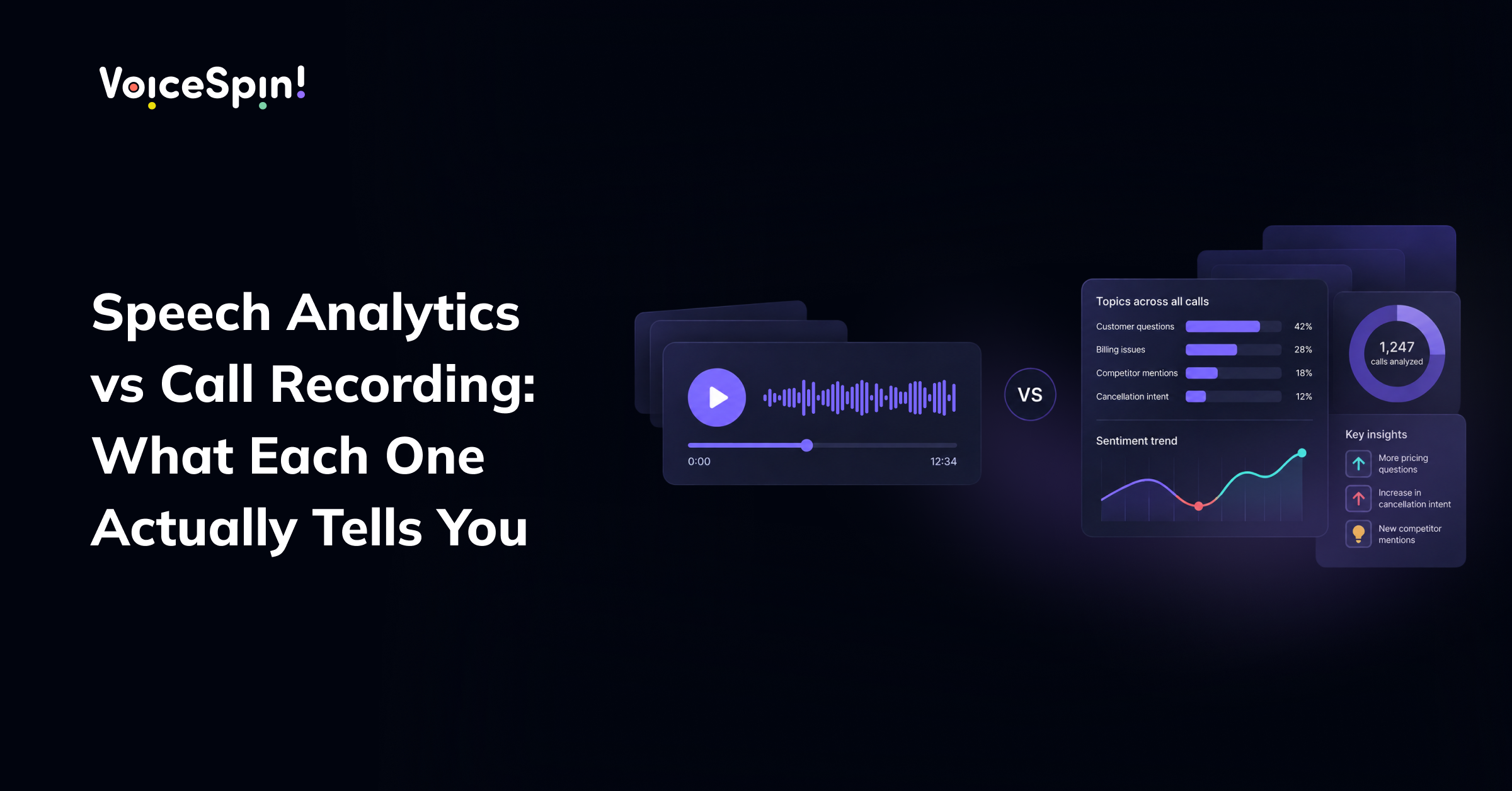

Most contact centers in Israel record their calls. Recording has become a standard feature of any modern phone system, and few managers would consider running a sales or service team without it. Yet a growing number of companies are discovering that having thousands of recorded calls is not the same as understanding what happens in them.
That gap is where speech analytics comes in. The two technologies are often mentioned together, and sometimes confused with each other, but they answer very different questions. Call recording tells you what was said on a specific call. Speech analytics tells you what is happening across all of your calls, and why.
This article explains what each technology offers, where each one falls short, and how contact centers can decide which combination fits their goals.
What Call Recording Gives You
Call recording captures the audio of the conversation between the customer and rep and stores it for later review.
Recordings give you reliable information about what was agreed on a call, which helps protect both the customer and the business when things get disputed. They also give supervisors some real-life examples to use in training, allowing new reps to hear how experienced colleagues deal with tricky conversations.
In short, call recording is just an archive. It’s essential to have, and it answers the question of what happened on a particular call whenever you go back to listen to it.
Where Call Recording Falls Short
Call recording does not scale. A contact center handling a thousand calls a day produces more audio than any team can review. So in most contact centers, supervisors are left to listen to just a tiny handful of calls each week, either because they were picked at random or because someone complains.
This creates a blind spot. Patterns that affect loads of conversations – like a confusing billing policy, a common objection in sales calls, or a competitor being mentioned more often than usual – just get missed because no one has the time to listen to enough calls to spot them. Quality scores also become less reliable, since a rep’s evaluation may depend on a handful of calls that don’t even represent their typical performance.
Call recording can give you a sense of what happened on a particular call if you know where to look. It can’t tell you where to look in the first place.
What Speech Analytics Gives You
Speech analytics uses AI to turn recorded conversations into searchable, structured information. And instead of relying on just a tiny sample of calls, a contact center can now analyze loads more of them and identify patterns across all of them.
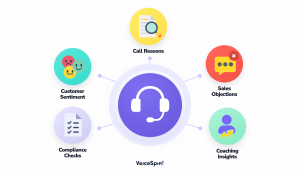
Why are customers calling? Speech analytics can categorize calls by topic, revealing which issues drive the most contacts and how that mix changes over time. This helps operations teams address the root causes behind avoidable calls.
How conversations feel. Sentiment analysis shows you where customers get frustrated or satisfied during a call – helping managers understand which moments shape the overall experience.
What sales conversations reveal. For sales teams, speech analytics can uncover the objections that prospects raise most often, how frequently competitors are mentioned, and which approaches tend to lead to successful outcomes.
Whether key steps are followed. Contact centers can now check whether important points came up in conversations – rather than having to do spot checks just to make sure everything is okay.
A Note on Hebrew
If you’re an Israeli company, language support is an important consideration. Loads of speech analytics tools were built mainly with English in mind and they don’t perform so well with Hebrew, especially when conversations include slang, mixed languages or industry-specific terms. Before choosing a solution, it’s worth testing it on some real Hebrew calls from your own contact center to make sure that transcription and analysis meet your team’s needs.
Side by Side: The Questions Each One Answers
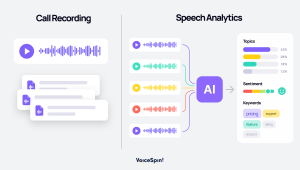
Call recording answers questions about individual interactions: what the rep said to the customer, what the customer agreed to, and how a specific complaint was sorted out. It’s the right tool when you already know exactly which call you need to review.
Speech analytics answers questions about the whole operation: why call volume went up last month, which objections cost the sales team the most deals, which bit of the service process is frustrating customers the most, and which reps would benefit from coaching on a particular skill. It’s the right tool when you want to discover something you didn’t already know.
Do You Need Both?
In most cases, the answer is yes, because speech analytics depends on call recording. Recordings provide the raw material, and speech analytics turns that material into insight. A contact center that records calls without analyzing them is sitting on valuable information it cannot use, while a contact center that wants analytics must first have reliable recording in place.
The more important question is how much you need to get out of all these conversations you’ve already had. For small teams with tiny call volumes, manual review might be enough. But for sales and service teams that are handling hundreds or thousands of calls per day, speech analytics is the only way to really understand what’s going on.
Using Speech Analytics the Right Way
Speech analytics is most effective as a tool for improvement rather than surveillance. Reps tend to respond well when they see that the insights are actually leading to better training, clearer procedures, and fairer evaluations based on a complete picture of their work.
It’s also important to be open and honest with your customers – let them know that the conversation might be recorded and analyzed, and make sure that your handling of that data is in line with Israeli privacy laws.
Conclusion
Call recording and speech analytics aren’t rival technologies. They work hand in hand. Call recording just captures the conversation, and speech analytics then figures out what it all means. Together, they give you the evidence you need to make things better, improve sales performance and help your reps with meaningful coaching.
VoiceSpin offers both call recording and the VoiceSpin Speech Analyzer – which allows teams to go through their recorded conversations using their own specific prompts, so managers can ask the questions that really matter to their business.
Frequently Asked Questions
What is the difference between speech analytics and call recording?
Call recording just captures and stores the audio of the conversation so you can go back and review it later. Speech analytics uses AI to transcribe and analyze those recordings.
Does speech analytics replace call recording?
No, speech analytics builds on top of call recording. Recordings provide the audio that speech analytics analyzes, and they’re still important on their own for sorting out disputes, meeting compliance requirements, and taking a look at specific interactions.
How does speech analytics help with rep coaching?
Speech analytics lets supervisors look at loads more conversations when evaluating reps rather than just a few random calls. This gives a much fairer picture of each rep’s performance.
Does speech analytics work in Hebrew?
Hebrew support varies significantly between providers, since many tools were originally built for English. Israeli companies should test any speech analytics solution on real Hebrew calls from their own contact center to confirm that transcription and analysis accuracy meet their needs.
Is speech analytics useful for sales teams?
Yes, speech analytics helps sales teams understand which objections come up most often, how frequently competitors are mentioned, and which conversation approaches are associated with successful deals. These insights support better training, sharper sales messaging, and more effective coaching.

 +18889082995
 +442036084160
 +97237237006
 Call on WhatsApp

